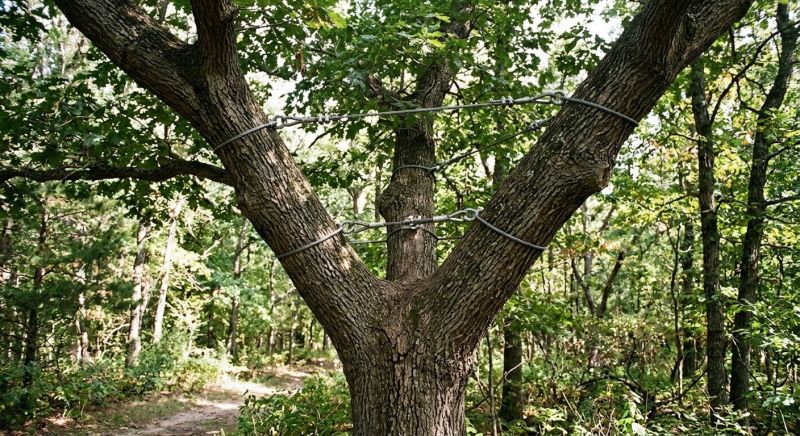
Tree Cabling Service in Reno, NV
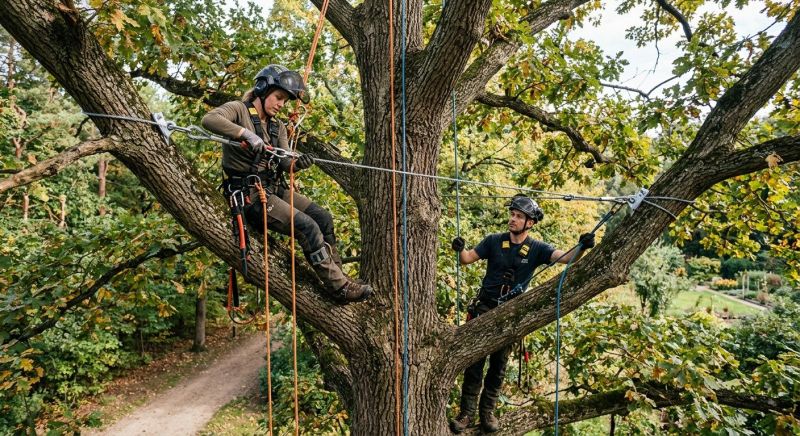
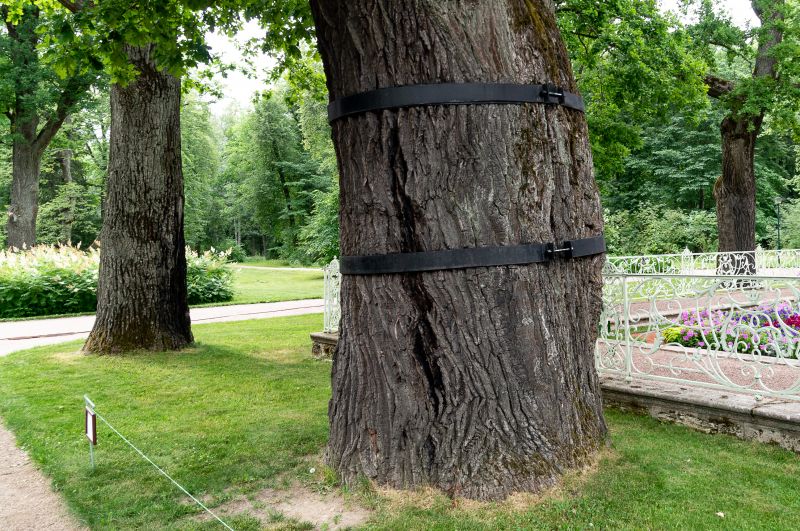
Tree cabling services involve installing supportive cables to help stabilize and reinforce trees, especially those with structural weaknesses or heavy branches. This process is commonly used for mature trees, trees with split trunks, or those that have experienced storm damage, aiming to reduce the risk of falling limbs or toppling. Property owners often request this service to protect their landscape, prevent property damage, and maintain the health of valuable trees, ensuring safety during severe weather conditions or high winds.
Before requesting tree cabling, property owners typically want to understand the scope of the work, including which trees are suitable for cabling and the types of cables used. It is important to consider the condition of the tree, the location of the branches or trunks needing support, and any potential impact on the tree’s growth. Proper assessment can help determine whether cabling is an appropriate solution for enhancing tree stability without harming the tree’s health or appearance.
Many property owners in Reno, NV look into Tree Cabling Service for repairs, replacements, upgrades, and appearance-related improvements.
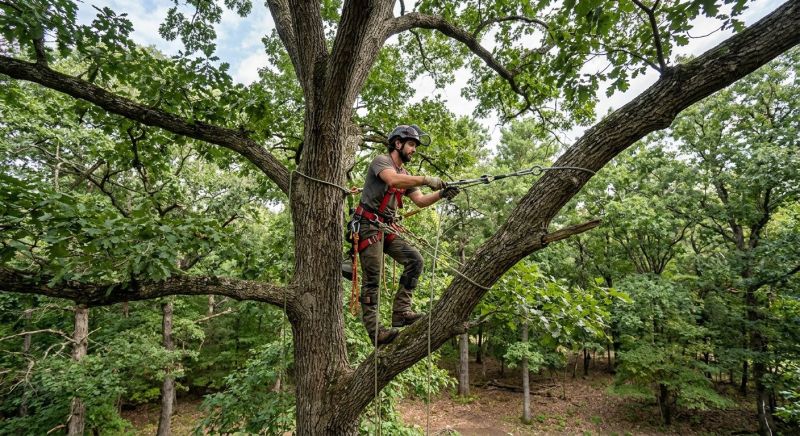
Tree Support And Stability
Cabling helps maintain the structural integrity of mature trees and prevents limb failure.
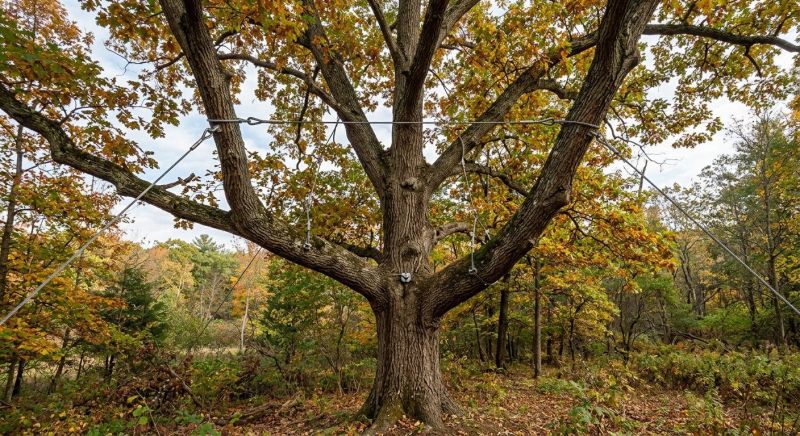
Property Safety Enhancement
Proper cabling reduces the risk of falling branches that could damage property or pose safety hazards.
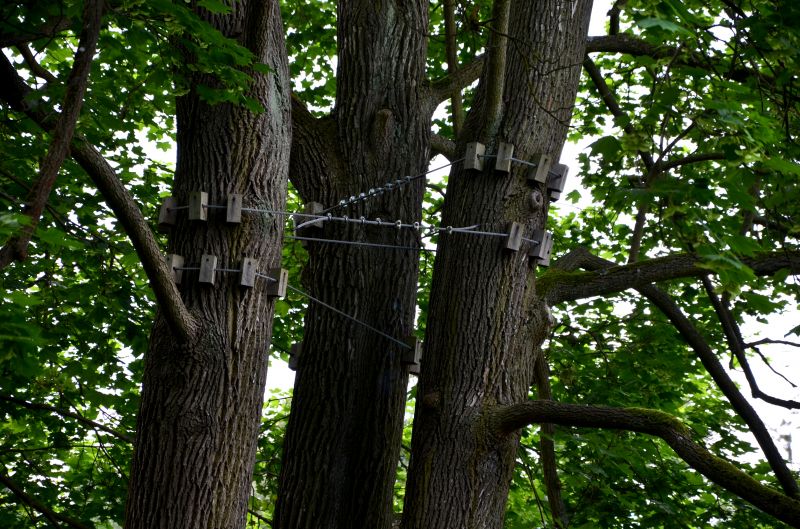
Tree Health Preservation
Cabling can minimize stress on weak or damaged branches, promoting healthier tree growth in reno and nearby areas.
Tree Cabling Service in Reno, NV

Tree cabling services involve installing supportive cables to help stabilize and reinforce trees, especially those with structural weaknesses or heavy branches. This process is commonly used for mature trees, trees with split trunks, or those that have experienced storm damage, aiming to reduce the risk of falling limbs or toppling. Property owners often request this service to protect their landscape, prevent property damage, and maintain the health of valuable trees, ensuring safety during severe weather conditions or high winds.
Before requesting tree cabling, property owners typically want to understand the scope of the work, including which trees are suitable for cabling and the types of cables used. It is important to consider the condition of the tree, the location of the branches or trunks needing support, and any potential impact on the tree’s growth. Proper assessment can help determine whether cabling is an appropriate solution for enhancing tree stability without harming the tree’s health or appearance.
Many property owners in Reno, NV look into Tree Cabling Service for repairs, replacements, upgrades, and appearance-related improvements.
Common Tree Cabling Service Jobs
Tree cabling installation - provides structural support to prevent branch or limb failure.
Tree cabling assessment - evaluates tree stability and identifies potential hazards.
Tree cabling reinforcement - strengthens weak branches to reduce the risk of breakage.
Tree cabling removal prevention - helps protect valuable trees from storm or wind damage.
Tree cabling maintenance - involves regular inspections to ensure cable integrity over time.
Tree cabling upgrades - replaces or adds cables to improve existing support systems.

Tree Cabling Service Questions
What is tree cabling used for? Tree cabling provides support to weak or damaged branches, helping prevent breakage and maintaining tree stability.
When should tree cabling be considered? Tree cabling is recommended when trees have structural issues, such as split branches or decay, that could lead to failure.
Does tree cabling affect the tree’s health? Proper cabling is designed to support the tree without harming it, allowing for natural growth while reducing stress.
Is tree cabling a permanent solution? Tree cabling offers long-term support but may require periodic inspections and adjustments to ensure effectiveness.
Request Tree Cabling Service in Reno, NV
Use the quote form on this page to share the basics of your project and request more information for the type of work you need.